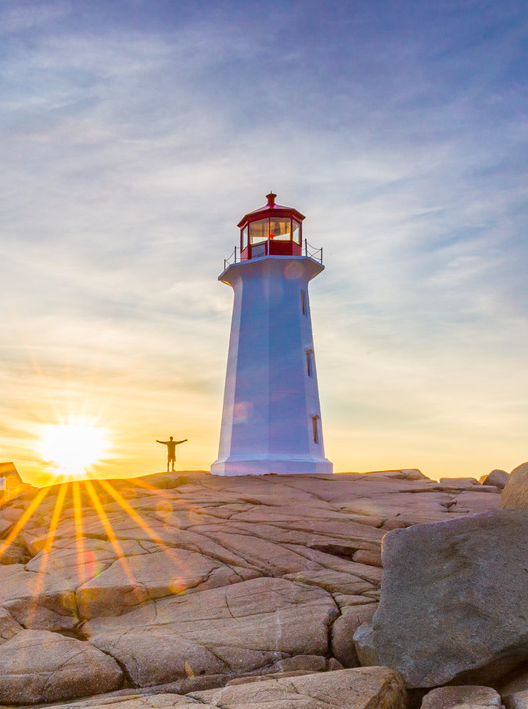
How We Design Trips

Strong trips are built, not assembled.
A good journey is not just a list of interesting places. It is the result of understanding how those places connect, how the day should move, and what creates the right balance between activity, rest, food, and flow.
STARTING WITH THE REGION
Every trip begins with the realities of the place itself.
In Atlantic Canada, that means acknowledging weather, tides, distance, road time, seasonality, and the rhythm of the region. A route that looks good on a map is not always a route that feels good in practice.
We design around what the region supports best rather than forcing a template onto it.
PACE IS EVERYTHING
Pacing is one of the most overlooked parts of travel design, and one of the most important.
Too much in a day, and the trip feels rushed. Too little, and it feels underwhelming. Too much driving, and the journey loses momentum. Poor timing, and even strong experiences can land weakly.
We build days that feel full, but not crowded. Rewarding, but not exhausting.
That balance is a major part of what makes the trip work.
EVERY STOP HAS A REASON
We do not add experiences just to make the itinerary look fuller.
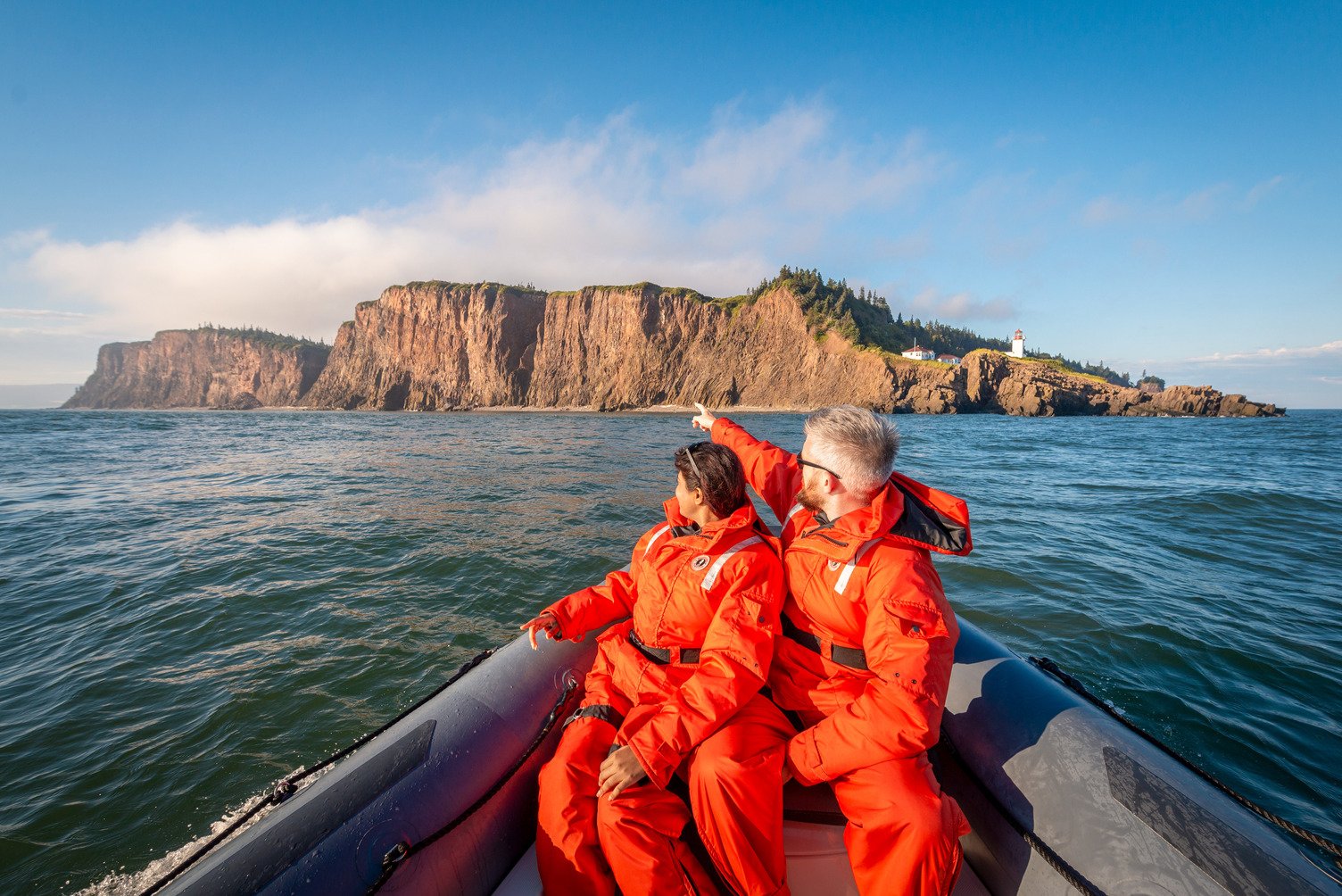
Each stop should contribute something meaningful—whether that is a coastal trail, a boat experience, a scenic route, a well-chosen town, or a meal that gives the day the finish it deserves.
If it does not improve the overall journey, it does not make the plan.
ADVENTURE AND COMFORT, BALANCED
The days are active, but they are not designed to wear people down.
We believe the strongest trips balance movement and restoration. A rewarding hike lands better when the rest of the day supports it. Time on the water feels better when it fits naturally into the route. A strong dinner matters more when the day leading up to it has been shaped properly.
That balance is part of the design—not something left to chance.
Food Is Part of the Design
Meals are not a side consideration.
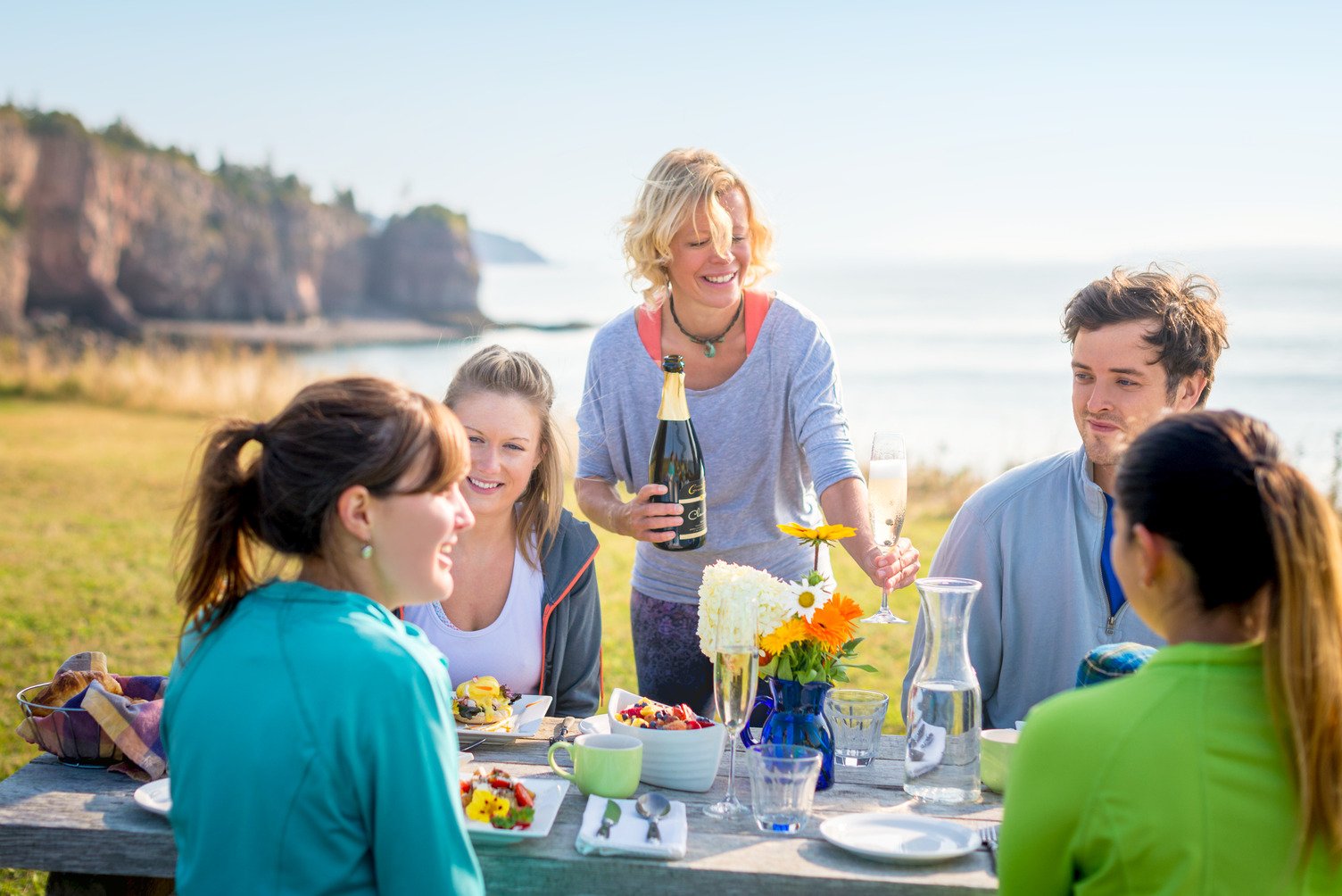
We choose places that reflect the region and support the tone of the journey—whether that means seafood on the coast, wine country dining, or local favourites that are simple but done exceptionally well.
The point is not to make the trip feel formal. The point is to make it feel considered.
SMALL GROUPS CHANGE THE EXPERIENCE
The same route feels different depending on the group size.
Designing for small groups allows for more natural movement, less friction, easier transitions, and a more personal pace overall. It also allows the trip to feel more fluid and less managed.
That matters both on the ground and in how the guest experiences the day.
FULLY INCLUSIVE BY DESIGN
A strong trip design also takes into account what the guest should not have to manage.
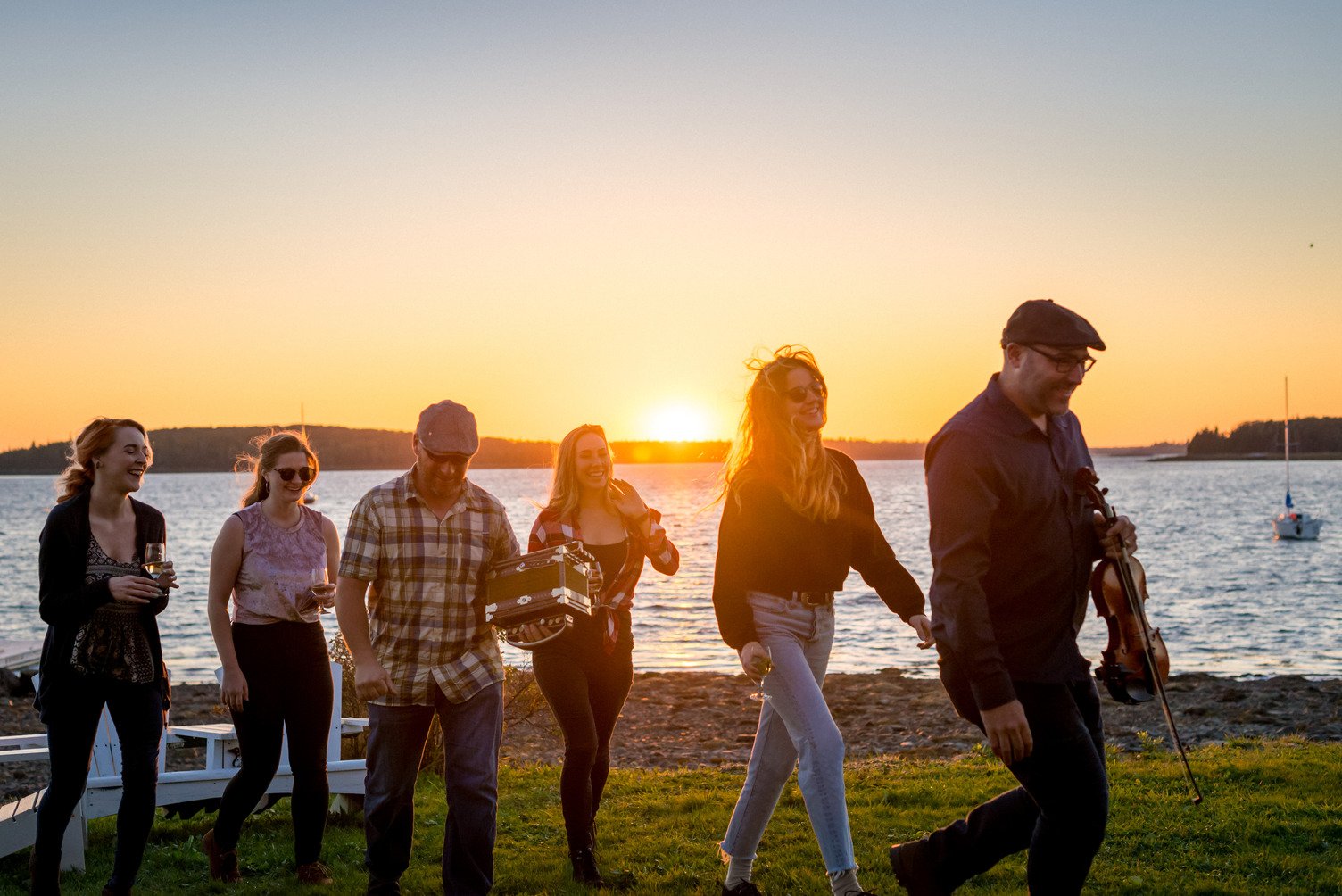
That is why our journeys are fully inclusive. Accommodations, transportation, meals, activities, and guided experiences are included and handled as part of the overall trip.
The journey works as a whole because it is designed as a whole.
WHAT THIS MEANS FOR YOU
From the guest side, good design should feel almost invisible.
You should not be thinking about how long to stay, what to skip, where to eat, what needs to be booked, or whether the route still makes sense.
You should simply feel that the day works.
That is what good trip design delivers.